Édition Gastronomique Terroir de Bourgogne Culinary Treatise N° IV
Classical French Heritage • The Master Technique

The Definitive Guide to Authentic Coq au Vin

From the slow-simmered farmhouses of Burgundy to the exacting precision of classical French brigade kitchens, explore the masterwork of deep red-wine reductions, gelatinous low-heat braises, crisp slab lardons, and hand-glazed garnitures.

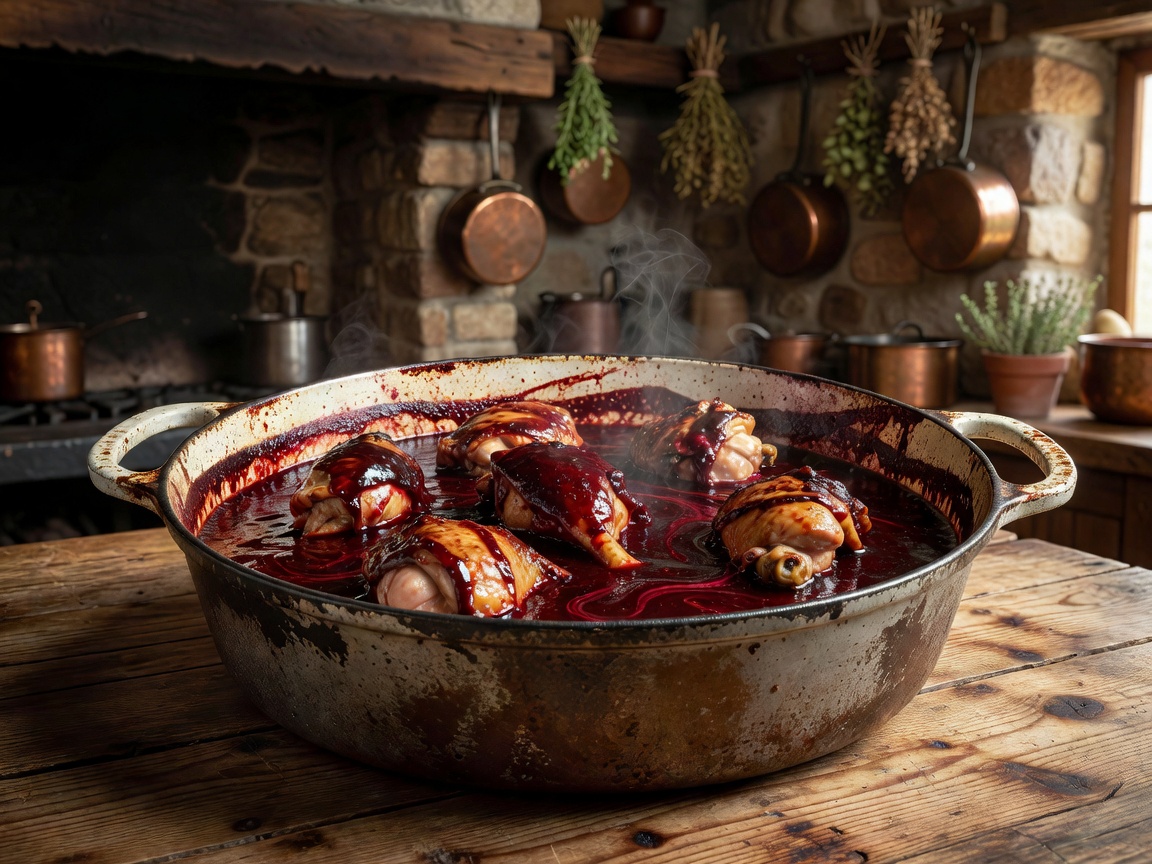
Rustic enameled cast iron braiser filled with slow-cooked chicken in deep burgundy wine sauce
Le Coq au Vin Traditionnel Heritage dark cuts braised slowly in concentrated Pinot Noir alongside double-rendered slab bacon and glazed pearl onions.
3.5 Hrs Traditional Braising Window
750 ml Dry Red Terroir Wine
160°C Gentle Oven Temperature
4 Steps Separate Component Cooking
The Five Core Chapters

Architecting the French Braise

A true Coq au Vin does not simply boil poultry in red wine. It is an orchestration of caramelized animal fats, aromatic mirepoix, deep deglazing, and the slow conversion of connective tissue into silken sauce.

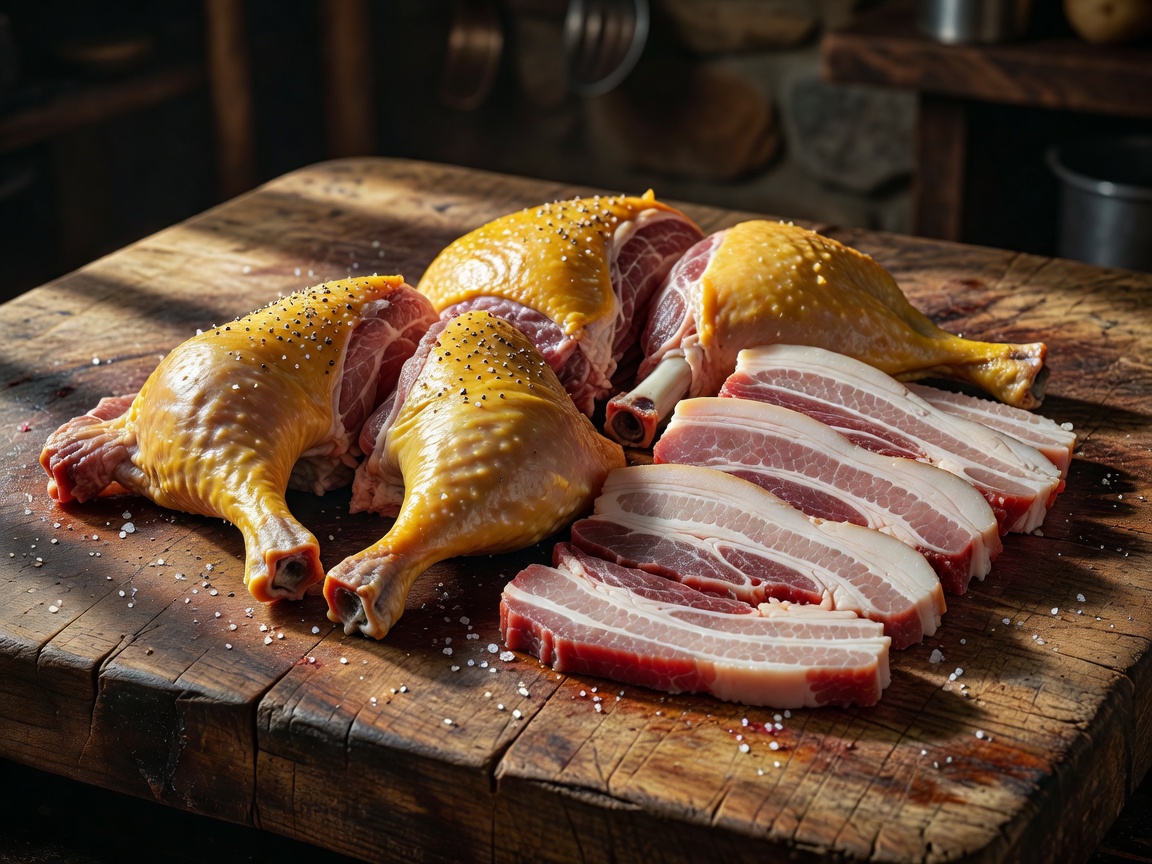
Butchered heritage bone-in rooster quarters and thick-cut slab bacon prepared on wooden board
Foundation 7 Min Read

Poultry Selection: Heritage Rooster vs. Modern Roaster

Historically, Coq au Vin salvaged the tough, muscular meat of mature farmyard roosters. Learn why high-collagen cuts like bone-in chicken legs, thighs, and drumsticks outperform delicate breast meat, and how thick-cut salted pork lardons establish the foundational fat.
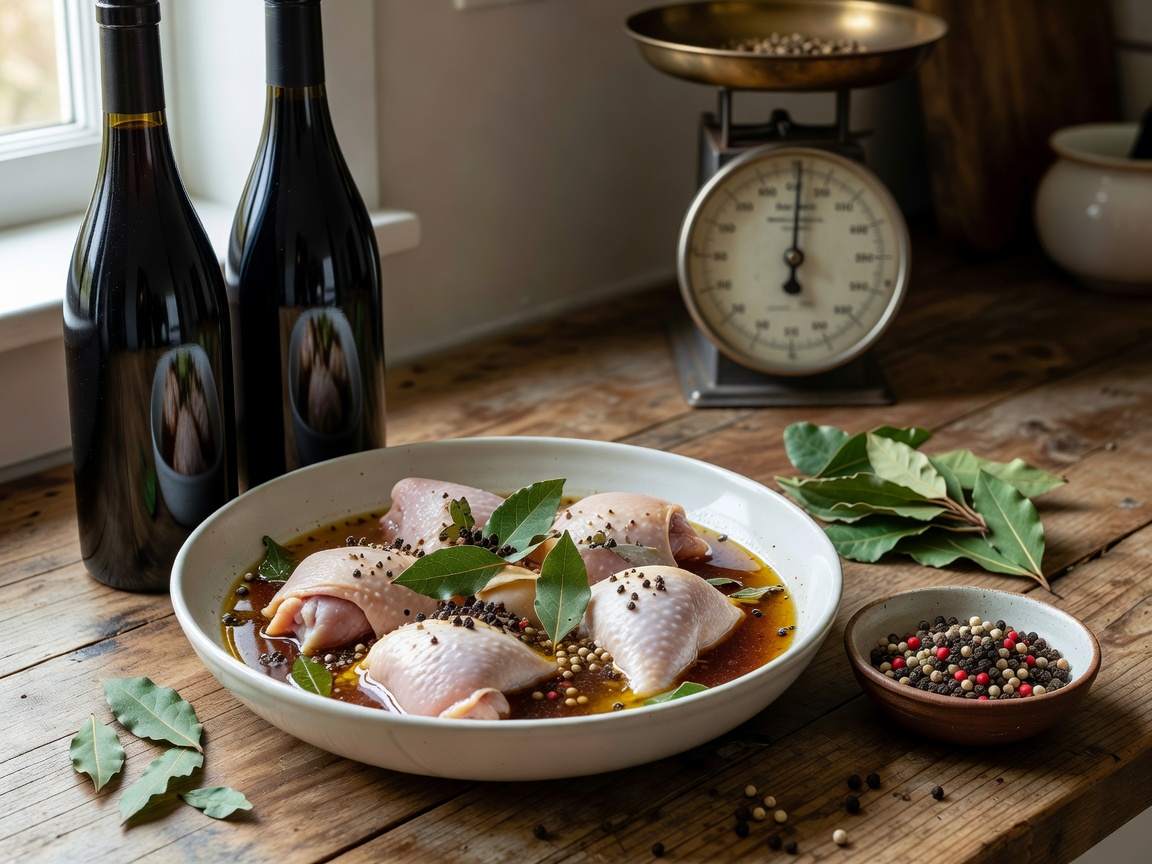
Bottles of dry French Pinot Noir and marinating poultry pieces with bay leaves and peppercorns
Chemistry 8 Min Read

Wine Selection & The Marination Chemistry

Selecting the proper wine dictates the balance between tart acidity and mellow warmth. Discover why dry, medium-bodied reds like Pinot Noir, Morgon Cru Beaujolais, or Côte du Rhône excel, and understand the molecular difference between overnight cold marinades and direct pan reductions.

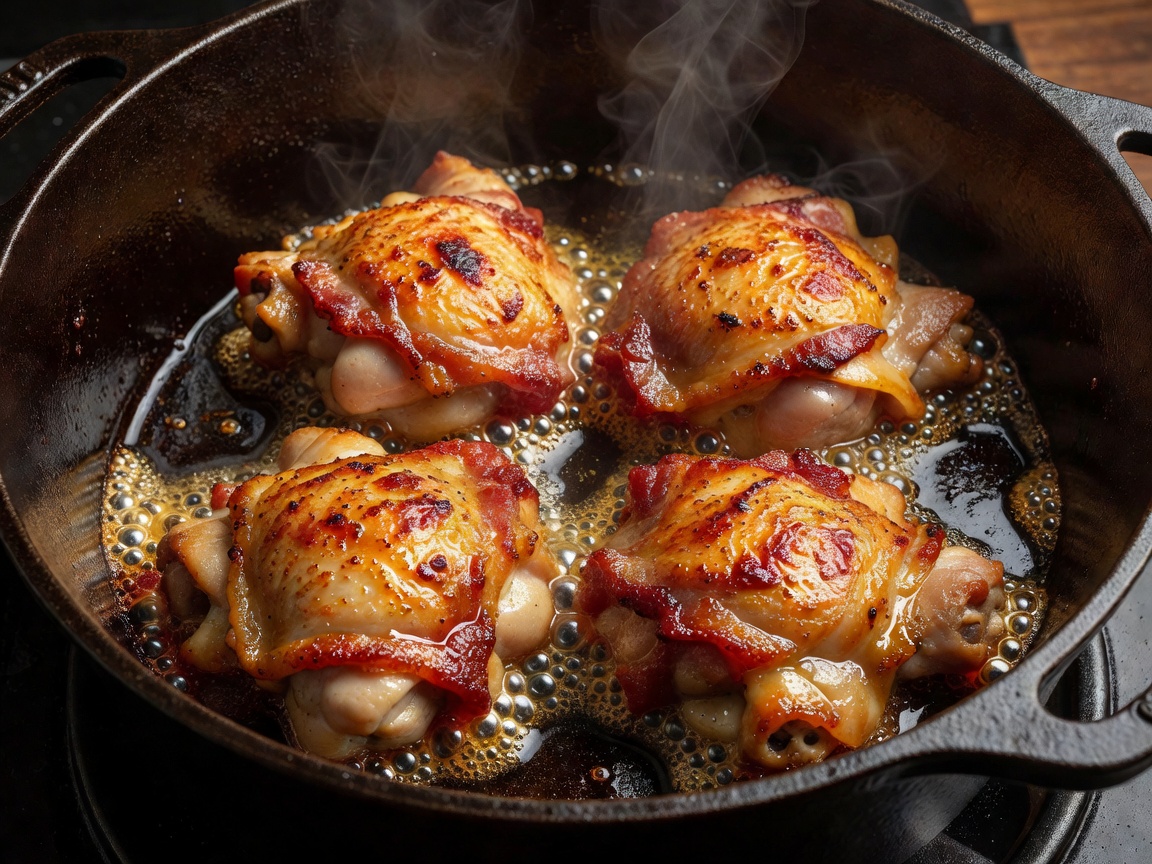
Golden browned chicken thighs searing in rendered bacon fat inside a cast-iron Dutch oven
Technique 9 Min Read

Lardon Rendering, High-Heat Searing & Deglazing

The soul of the pan sauce begins with rendered pork belly. Master dry-pat searing to generate golden Maillard crusts without crowding the braiser, flambéing with traditional French brandy, and dissolving the caramelized fond with your reduced wine infusion.

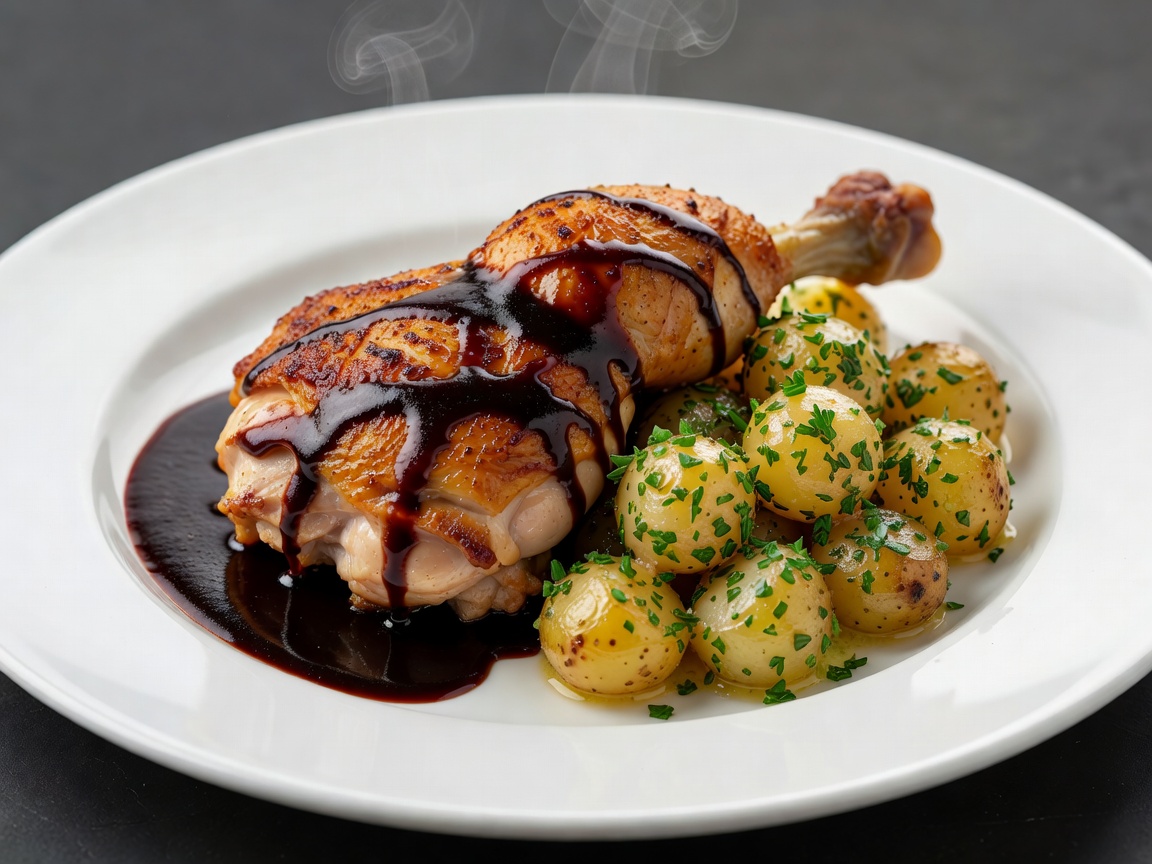
Velvety glossy dark wine sauce drizzled over plated chicken leg with buttered parsley potatoes
Final Polish 8 Min Read

Sauce Emulsion, Beurre Manié & Rustic French Plating

The braising liquid must be transformed from thin broth into a nappe sauce that clings gracefully to the back of a spoon. Learn how to strain aromatics, reduce wine to intense viscosity, incorporate cold butter or beurre manié, and assemble the dish with crusty sourdough or buttered noodles.

Phase 01: Chemistry

Why Time & Acidity Rule the Braise

Coq au Vin is fundamentally an acid-and-collagen transformation. The ethanol in wine evaporates during reduction, leaving concentrated tartaric, malic, and succinic acids. When balanced against the gelatin rendered from cartilage and chicken bones, these acids prevent the rich, unctuous sauce from feeling greasy on the palate.

"A stew boiled is a stew spoiled. Gentle thermal conduction dissolves tough connective tissues without tightening the muscle strands into corded rope."

Keeping the oven braising temperature between 150°C and 160°C (300°F–325°F) ensures that the liquid maintains a lazy, sub-simmer bubble—the exact thermal threshold where collagen converts into water-soluble gelatin.

Phase 02: Essential Vessel

The Importance of Cast-Iron Enamel

Ordinary aluminum or unlined copper cookware can react harshly with high-acid Pinot Noir, introducing metallic off-flavors and degrading the vibrant purple-ruby hue into a dull gray. A heavyweight enameled cast-iron Dutch oven (cocotte) retains consistent thermal inertia across bottom and sidewalls.

  • Thermal mass: Prevents temperature drops when cold poultry pieces are introduced for searing.
  • Even condensation: Heavy self-basting lids cycle steam continually back over exposed meat surfaces.
  • Acid inertness: Vitreous enamel provides complete chemical neutrality against 750ml of simmering wine.